

As of 2026, the Horn of Africa is witnessing a historic shift in maritime-to-inland trade. The trade artery connecting the Port of Djibouti to Addis Ababa is no longer merely a road; it has become a regulated green zone. The introduction of the Djibouti-Addis Electric Logistics Policy has created a new legal reality for fleet operators. Driven by Ethiopia's absolute ban on the importation of new internal combustion engine (ICE) trucks and Djibouti’s aggressive port electrification, logistics companies must now navigate a sophisticated framework of bilateral agreements and regional environmental mandates.
Ethiopia’s Landmark 2026 Import Mandates
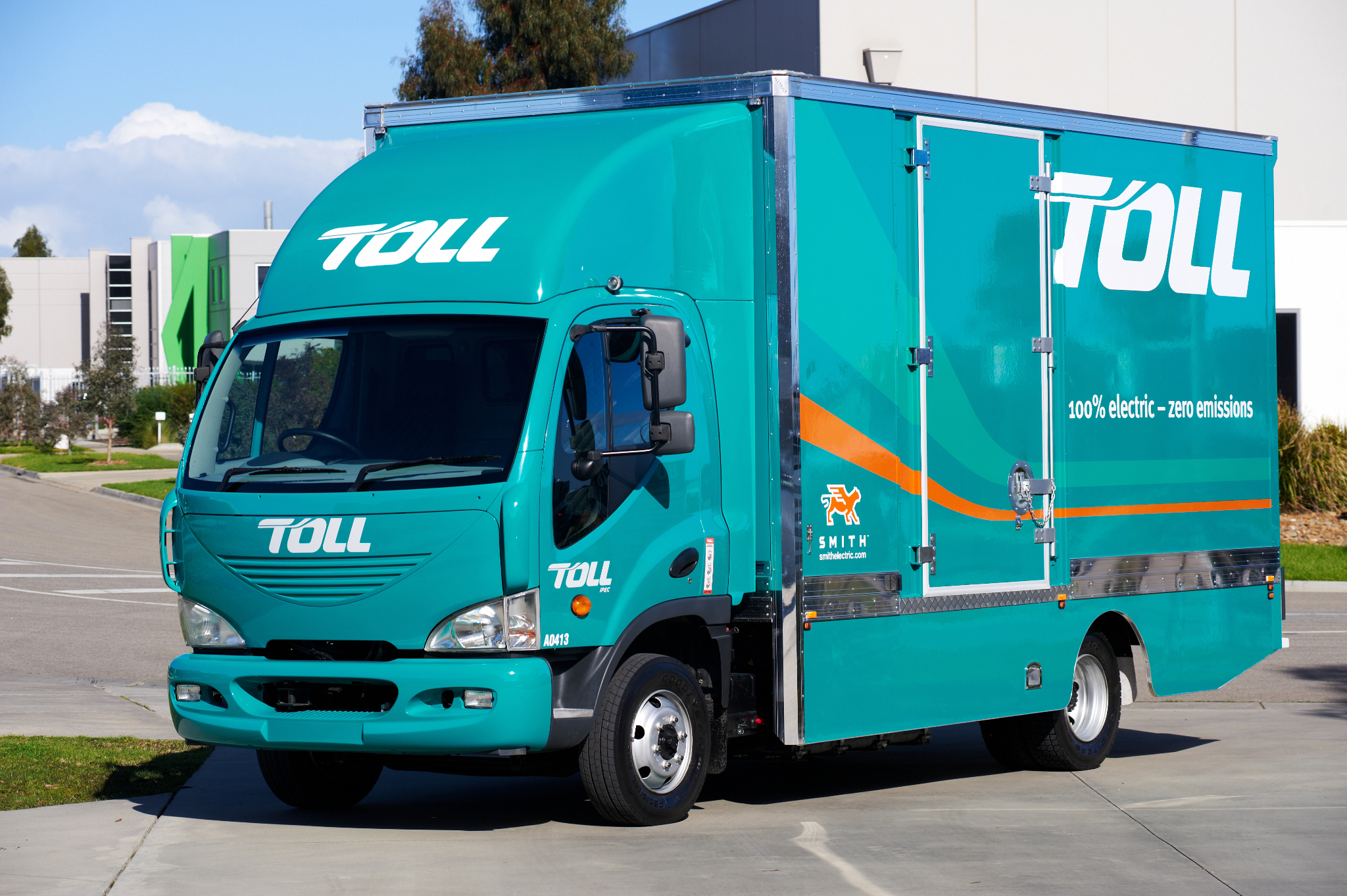
The legal catalyst for change is the Ethiopian Ministry of Transport and Logistics’ 2026 directive, which expanded the 2024 passenger vehicle ban to include all heavy-duty freight trucks. Under the current Djibouti-Addis Electric Logistics Policy, any new commercial vehicle entering the Ethiopian fleet must be powered by electricity or natural gas.
To facilitate this, the government has overhauled its tariff structure. Fully assembled electric trucks now benefit from a reduced 15% customs duty, while semi-knocked-down (SKD) kits are taxed at just 5%. For companies opting for local assembly within Ethiopia's 17 operational EV plants, the duty is waived entirely. This fiscal shift is legally anchored in the "Green Economy" provisions of the 2026 National Development Plan, aimed at reducing the nation's reliance on foreign currency for fuel imports.
The DESSU Corridor Authority And Cross-Border Rules
Operating across borders requires more than just local tax breaks; it requires international legal harmonization. In February 2026, the formal establishment of the Djibouti–Ethiopia–South Sudan–Uganda (DESSU) Corridor Authority introduced a unified governance regime.
This authority oversees the technical and legal standards of the Djibouti-Addis Electric Logistics Policy, ensuring that charging connectors, axle load limits for heavy battery packs, and insurance protocols are consistent between the Port of Djibouti and the Addis Ababa terminals. For legal compliance, fleet operators must now ensure their electric trucks carry a "Green Corridor Transit Permit," which grants priority clearance at the Galafi and Dewele border posts.
New Compliance Standards For 2026
-
Battery Safety Certification: Importers must provide UN-certified battery safety documentation to clear customs at the Doraleh Multipurpose Port.
-
English-Language Software: All vehicle management systems must operate in English to facilitate regional digital tracking.
-
Mandatory After-Sales Hubs: Legally, an importer cannot register an electric truck without proving they have established a certified maintenance facility.
Infrastructure Rights And Energy Access
The Djibouti-Addis Electric Logistics Policy also defines who can build and operate charging infrastructure. While the Djiboutian state-owned electric utility retains rights over distribution, the private sector is now legally permitted to operate fast-charging hubs through Power Purchase Agreements (PPAs).
For fleet managers and legal advisors looking for deep dives into how these regulations affect regional trade routes and vehicle registration, the reporting at AfriCarNews provides the most current regulatory updates. Their insights on the "Smart Corridor" projects funded by the World Bank are essential for strategic planning in 2026.
Harmonizing Transport And Energy Law
By late 2026, the legal landscape is further evolving with the "Second Power Interconnection Project." This treaty ensures that Ethiopia’s surplus hydropower from the GERD dam is legally allocated to the Djibouti-Addis Electric Logistics Policy grid. This ensures that the energy used for freight is as clean as the vehicles themselves, fulfilling the climate mitigation commitments of both nations.
Do you think the new DESSU Corridor Authority will be able to resolve border delays for electric trucks faster than the old diesel-focused systems, or is the legal complexity too high? Share your thoughts on the new regulations in the comments below!