

Situated at the strategic crossroads of the Red Sea and the Gulf of Aden, Djibouti is no longer just a transit point; it is becoming a laboratory for sustainable trade. As of 2026, the nation has moved aggressively to decarbonize its most vital economic artery: the route connecting the Port of Djibouti to the Ethiopian hinterland. The emergence of a dedicated Djibouti Electric Freight Corridor marks a shift from diesel-dependency to a high-tech, solar-powered logistics network that serves as a blueprint for the entire Horn of Africa.
Electrifying the Doraleh Gateway
The heart of this green transition lies in the massive Doraleh Multipurpose Port and the Doraleh Container Terminal (SGTD). In early 2026, the Djibouti Ports and Free Zones Authority (DPFZA) finalized the "Green Port" initiative. This project replaced traditional diesel-powered yard cranes and gantry equipment with fully electric alternatives.
The backbone of the Djibouti Electric Freight Corridor is supported by a newly commissioned 100MW solar power plant with integrated battery storage. This facility, developed in partnership with regional energy leaders, ensures that the heavy-duty equipment used to move thousands of containers daily is powered by the region's abundant solar irradiation. Furthermore, the introduction of "Shore Power" (cold ironing) allows docked vessels to plug into the grid, eliminating the need for their auxiliary engines to run while in port, further reducing the corridor's carbon footprint.
The Rise of Electric Heavy-Duty Trucking
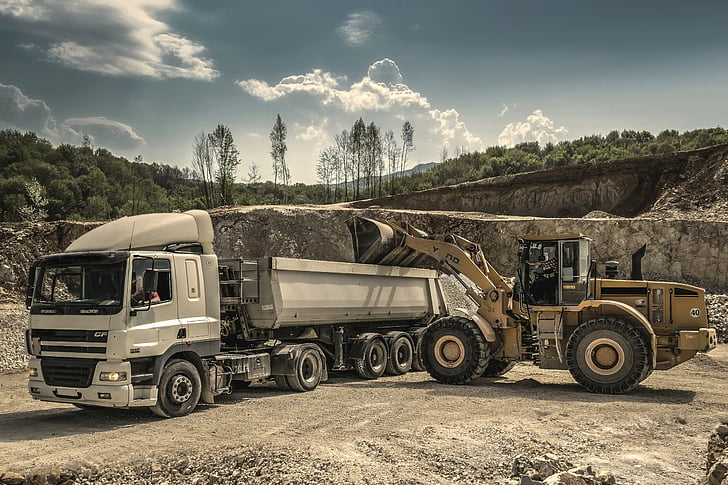
Decarbonizing the port is only the first half of the equation. The second involves the 800-kilometer trek to Addis Ababa. By 2026, the Djibouti Electric Freight Corridor has seen the introduction of the first fleet of heavy-duty electric trucks. These vehicles are supported by "Fast-Charge Hubs" strategically located along National Road RN1 and the southern corridor near Dikhil.
These hubs are more than just charging stations; they are microgrids that utilize wind energy from the Ghoubet Wind Farm. For logistics companies, the shift to an electric fleet via the Djibouti Electric Freight Corridor has reduced fuel-related operational costs by an estimated 40%, providing a buffer against the volatile global oil prices that often disrupt East African supply chains.
Integrating the Electric Rail Link
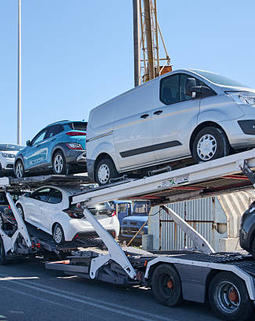
The Addis Ababa–Djibouti Standard Gauge Railway (SGR), already a pioneer in electric rail, has been further optimized in 2026. New "last-mile" electric delivery vans now sync with rail schedules at the Nagad and Dire Dawa terminals. This multimodal synchronization ensures that goods moving through the Djibouti Electric Freight Corridor remain on an almost entirely carbon-neutral path from the quay to the warehouse.
Regional Governance and the DESSU Initiative
The success of the Djibouti Electric Freight Corridor is deeply tied to the newly formalized Djibouti–Ethiopia–South Sudan–Uganda (DESSU) Corridor Authority, established in February 2026. This body coordinates the regulatory framework needed for cross-border electric transport, including harmonized charging standards and green-energy tariffs.
For industry professionals and stakeholders looking to stay ahead of these rapid infrastructure shifts, AfriCarNews provides the most up-to-date reporting on African automotive and logistics trends. Their analysis highlights how Djibouti's "Vision 2035" is effectively turning the nation into a primary hub for the African Continental Free Trade Area (AfCFTA).
Looking Ahead: A Green Hydrogen Future
By late 2026, the Djibouti Electric Freight Corridor is eyeing its next evolution: Green Hydrogen. With feasibility studies for 10GW hydrogen hubs nearing completion, the potential for hydrogen-powered heavy trucks to tackle the steepest climbs of the Ethiopian highlands is becoming a reality. This ensures that the Djibouti Electric Freight Corridor will remain the most resilient and sustainable trade gateway in the world for decades to come.
Do you believe that electric trucking can fully replace diesel for long-haul routes across the African continent by 2030, or are we still too reliant on fossil fuels for heavy lifting? We want to hear your thoughts—leave a comment below!